Seven Sisters Road removals access and parking tips
Posted on 13/07/2026
Moving on or around Seven Sisters Road can feel straightforward on paper, then suddenly a van is sitting behind a bus lane, a bay is full, and someone is asking where the lift access is. That is usually where the stress starts. The good news? With the right Seven Sisters Road removals access and parking tips, you can avoid most of the classic moving-day headaches before they happen.
This guide is for anyone planning a flat move, house move, office relocation, or a smaller load with a van in the N4 and N15 edge of North London. It covers access planning, parking realities, common pinch points, timing, compliance, and the little details that save time when you are trying to get a sofa through a narrow stairwell at 8:30 in the morning. Not glamorous, granted. Very useful, though.
If you are comparing services as well as logistics, it can help to look at local removals in Finsbury Park, or browse the wider service overview to see which option fits the scale of your move.
Contents
- Why Seven Sisters Road removals access and parking tips matters
- How Seven Sisters Road removals access and parking tips works
- Key benefits and practical advantages
- Who this is for and when it makes sense
- Step-by-step guidance
- Expert tips for better results
- Common mistakes to avoid
- Tools, resources and recommendations
- Law, compliance, standards, or best practice
- Options, methods, or comparison table
- Case study or real-world example
- Practical checklist
- Conclusion
- Frequently asked questions
Why Seven Sisters Road removals access and parking tips matters
Seven Sisters Road is busy, varied, and a bit unforgiving when a move is underprepared. Some stretches are wider and easier to work with, while other sections have tighter kerb space, heavier traffic, and more pressure from local parking restrictions. That mix matters because even a good moving crew can lose time if the vehicle cannot stop safely near the property.
When parking is difficult, everything slows down: unloading, carrying, lift journeys, and the handoff between your home and the van. A ten-minute delay can quietly become forty minutes once you add traffic, waiting for a bay to clear, or re-routing the van to a safer place. And on moving day, those minutes have a habit of multiplying. Strange how that always happens.
It matters even more if you are moving from a flat above street level, a shared building, or a property where access is through a narrow hallway or rear entrance. In those situations, the smallest detail-like whether the crew can stop close enough to the doorway-can decide whether the day feels smooth or chaotic.
Good planning also helps protect the building, the pavement, and your belongings. Fewer awkward lifts usually means less chance of knocks, scrapes, or that awful moment when a drawer catches the frame. If you want a broader look at local moving value, competitive prices can help you compare cost against the level of support you actually need.
How Seven Sisters Road removals access and parking tips works
Think of access planning as a three-part job: where the van can stop, how the team gets from the vehicle to the front door, and what happens if the first plan fails. Simple enough, but those three pieces need checking before the boxes arrive.
First, identify the exact frontage of both properties. Is there a front bay, a side road, a loading option, a dropped kerb, or only standard residential parking? The answer changes how the van should be positioned. Then look at the building itself. Do you have stairs, a lift, a long corridor, or a courtyard walk from the street? These details decide how many people and how much time you need.
Second, build the move around traffic patterns. Seven Sisters Road can feel very different at 7:30am compared with the middle of the afternoon. School runs, rush-hour traffic, buses pulling in, delivery vehicles, and general local movement all affect how long the van will sit idling before loading begins. That is why time of day matters more than people often expect.
Third, decide whether parking support is needed. For some moves, the van can use a legal bay nearby and the team can walk the load a short distance. For others, it is much better to arrange a closer stopping point or use a smaller vehicle such as a man and van service or a dedicated removal van, depending on volume and access.
In practice, the best setup often comes from matching the vehicle size to the street conditions rather than forcing a bigger van into a tight road because it sounds more efficient. It usually is not. A slightly smaller vehicle can be the smarter choice if it means you can park properly and keep the job moving.
Key benefits and practical advantages
There is a real payoff to planning access and parking properly. You do not just avoid penalties or confusion; you make the whole move calmer. That is not a small thing when the kettle is packed, the phone is ringing, and someone still has not found the box of charger cables.
- Faster loading and unloading: A van that can stop close to the entrance reduces carrying distance and cuts fatigue.
- Lower risk of damage: Shorter carries mean fewer collisions with doorframes, banisters, and car mirrors.
- Less stress for neighbours: Good parking choices keep driveways, access paths, and shared spaces clear.
- Better crew efficiency: Removal teams can work in a rhythm rather than waiting for access to open up.
- More accurate quotes: When access is clear, estimates are usually easier to match to reality.
- Safer moving conditions: Fewer awkward lifts in traffic-heavy areas means fewer small accidents.
There is also a commercial side. Clear access helps you choose between house removals, flat removals, or a leaner setup such as man with van support. The more accurate the access plan, the less likely you are to pay for extra time that came from avoidable parking issues.
Expert summary: on Seven Sisters Road, the best move is usually the one that trades a little bit of ambition for a lot of certainty. Park legally, park closer if possible, keep the load route short, and prepare a fallback if the nearest bay is taken. That alone can save a messy morning.
Who this is for and when it makes sense
This advice is useful for more people than you might think. You do not need a huge house move for access to matter. Even a one-bedroom flat can create parking headaches if the building sits on a busy stretch or behind limited access.
This guide is especially relevant if you are:
- moving from a flat near Seven Sisters Road with only street parking available
- relocating an office or workspace and need the van to stay near the entrance
- planning a same-day move and cannot afford long parking delays
- moving bulky items, such as wardrobes, beds, pianos, or heavy furniture
- booking a smaller van and want to make every trip count
- trying to keep costs down by reducing waiting time and extra labour
If your move involves fragile or unusual items, access matters even more. For example, a piano move is never just about lifting the instrument. It is about angles, door width, floor protection, and how close the vehicle can get without blocking traffic. That is why specialist piano removals exist in the first place.
Students and first-time renters often underestimate this. Fair enough; moving into a new flat is already a lot. But a small van that cannot park legally outside the building can become a very big problem very quickly. If that sounds familiar, student removals may be a better fit than trying to improvise on the day.
Step-by-step guidance
Here is the practical version. No fluff, no wandering about.
- Walk the route in advance. Stand outside the property and look at where the van could reasonably stop. Check whether the pavement is wide enough for a trolley, whether there is a dropped kerb, and how far it is from the door to the nearest safe stopping point.
- Measure the awkward bits. Door frames, stair turns, lift doors, hallway bends, and basement steps all matter. A tape measure is boring until it saves a sofa from getting stuck halfway up the stairs.
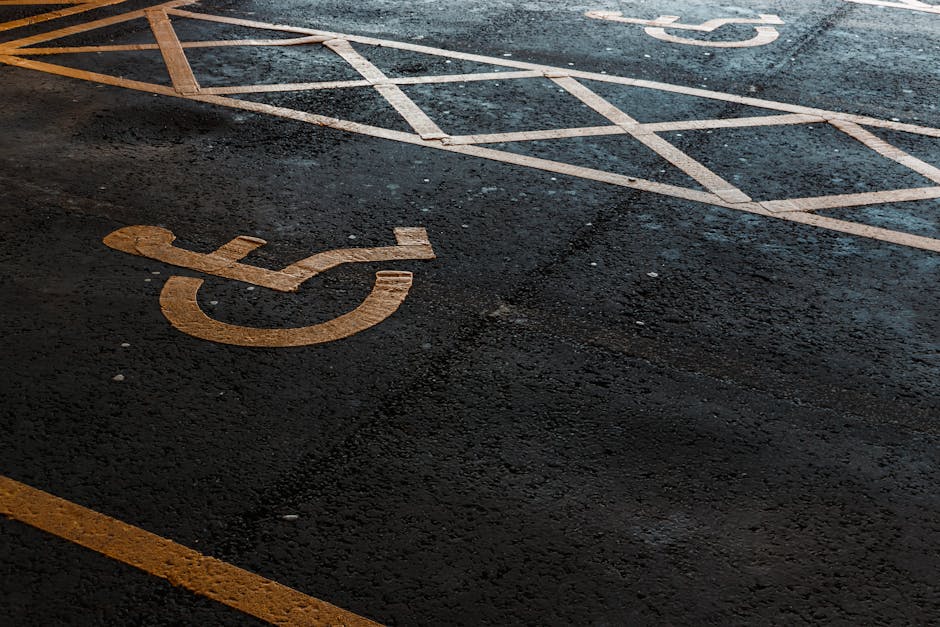
- Check parking restrictions carefully. Look for permit bays, pay-and-display areas, loading restrictions, single yellow lines, and time-limited bays. If you are unsure, assume the space is not free until you know it is.
- Decide the vehicle size early. A larger van can reduce trips, but only if it can stop safely. Sometimes a smaller vehicle with better access is the smarter choice.
- Plan a back-up stop point. If the first bay is taken, where else can the van legally wait for a few minutes without creating a circus?
- Keep the load path clear. Move bins, bikes, plant pots, and loose bags out of the way before the team arrives.
- Coordinate with the building. Let porters, neighbours, managing agents, or housemates know the timing. This is especially useful in shared blocks where access can become awkward fast.
- Book the move at a sensible time. Mid-morning often works better than the very start of rush hour, although your exact property and traffic window will decide that more than theory will.
If you are unsure how much support you need, comparing removal services and checking the broader removal companies in Finsbury Park can help you decide whether a full crew, a van-only setup, or a hybrid approach makes sense.
Quick note: the cleanest move is the one where the van arrives, parks, loads, and leaves with minimal shuffling. If it sounds almost too simple, that is because the difficult work happened before moving day.
Expert tips for better results
In our experience, the best access plans are the boring ones. They are not dramatic, just reliable.
Tip 1: choose the parking position for the load, not the photo opportunity. Sometimes people want the van directly outside the front door because it feels efficient. But if that position blocks a bus stop, sits on a bend, or means the crew has to reverse into a tight gap, the risk rises. A slightly less perfect spot is often far better.
Tip 2: use the quietest part of the day if you can. Early afternoon can be calmer than peak commute hours, though local traffic can still surprise you. A lot of moving-day anxiety disappears when the van is not battling rush-hour pressure.
Tip 3: keep one person focused on access. It helps to have a single point of contact who watches for parking changes, speaks to the driver, and clears the route. Otherwise everyone assumes someone else is handling it. Classic, really.
Tip 4: prep the building before the boxes move. If there is a lift booking system, notify the building early. If there is a communal entrance, make sure keys, fobs, or codes are ready. A lost fob can slow everything down more than a heavy sofa ever will.
Tip 5: ask about waiting time and contingency plans. If your vehicle cannot park immediately, what happens next? A good mover should explain the fallback without making it sound like a disaster. That clarity is worth a lot.
For some moves, short-term storage can reduce pressure if the access window is tight or the new property is not ready. If that is your situation, storage in Finsbury Park can be a practical bridge rather than a last-minute scramble.
Common mistakes to avoid
These are the problems that create the most avoidable grief.
- Assuming there will be space: Roads near busy local routes can fill up quickly. Never rely on luck.
- Ignoring loading restrictions: A bay that looks fine at a glance may not be usable for a removals vehicle at your move time.
- Booking the wrong-sized vehicle: Too small means extra trips. Too large means parking trouble. Neither is ideal.
- Forgetting building access: No lift key, no loading bay booking, no entrance code? That becomes a delay very quickly.
- Leaving loose items outside: Bins, prams, bikes, and plant pots block the route and create trip hazards.
- Not allowing buffer time: Traffic and parking do not always behave. They just don't.
- Choosing price alone: Cheap quotes can become expensive if access is poor and the crew has to spend extra time managing parking or carrying distance. If you want to understand that trade-off, avoiding hidden removal charges is a worthwhile read.
One more thing: do not leave the driver guessing. If there is a resident permit zone, a one-way section, or a tricky turning point, say so early. A five-minute conversation can save a half-hour headache later.
Tools, resources and recommendations
You do not need a warehouse full of gear to make this work. A few simple things are enough.
- Measuring tape: For doorways, stair turns, lift openings, and awkward furniture.
- Notepad or phone checklist: Record access notes, parking restrictions, and arrival times.
- High-visibility patience: Not a tool as such, but useful when a delivery van blocks the exact spot you wanted. A deep breath goes a long way.
- Labels and tape: These help you unload faster once the van is parked.
- Furniture covers and blankets: Especially useful when carrying items over a longer distance from the van to the property.
If you are still deciding what kind of move you need, it may help to review packing and boxes guidance alongside furniture removals. The two go hand in hand. Better packing usually means less faffing on the kerbside.
For the broader picture of moving choices and budgeting, pricing and quotes can help you compare options before you commit. If you want a straightforward starting point, man with a van support may be enough for smaller loads and easier access.
Law, compliance, standards, or best practice
This is one of those areas where common sense and local rules need to sit together. You do not need a law lecture, but you do need to avoid blocking traffic, stopping in restricted areas, or creating an unsafe loading setup.
In the UK, drivers and movers should follow road signs, parking restrictions, and local traffic rules. In practical terms, that means checking whether a bay is loading-only, time-limited, permit-based, or unavailable at certain hours. If the van is too large for the street layout, or if stopping would obstruct other road users, then the better choice is to relocate before loading begins.
Health and safety matters too. Good moving practice usually includes clear walkways, sensible lifting, team coordination, and protection for property and shared areas. If a building has shared entrances, narrow stairwells, or fragile communal flooring, it is worth planning the route carefully before any lifting starts.
That is also why reputable movers usually keep safety procedures, insurance arrangements, and working practices clear. If you want to understand those basics in plain English, insurance and safety plus health and safety policy pages are the kind of material that helps build trust before move day.
Practical standard to remember: legal parking first, safe access second, speed third. That order keeps the move calm and far less messy.
Options, methods, or comparison table
There is no single best setup for every Seven Sisters Road move. The right choice depends on load size, access, and how much parking certainty you have. Here is a simple comparison.
| Option | Best for | Pros | Watch-outs |
|---|---|---|---|
| Full removals team | Larger homes, heavier furniture, complex access | Efficient, structured, good for stairs and bulky items | Needs better planning for parking and bay access |
| Man and van | Smaller moves, flats, student loads, short-distance jobs | Flexible, often easier to position, simpler logistics | May need more trips if the load is larger than expected |
| Removal van only | Moves where you already have help at each end | Can be cost-effective and practical | Works best when access and loading are already well organised |
| Storage-first move | Delayed completion, staged moves, tight handover timing | Reduces pressure when dates do not line up | Adds a second step, so planning needs to be precise |
If you are moving a business, the same access logic applies, just with more pressure on timing and fewer opportunities to improvise. For that, office removals should be planned around delivery windows, staff access, and the building's loading rules.
Case study or real-world example
Here is a realistic example, the sort that comes up all the time.
A couple moving from a first-floor flat off Seven Sisters Road had a decent amount of furniture, but not a full house worth. At first they assumed a large van would be best because they wanted fewer trips. Once they checked the road layout, though, it became obvious that the van would have to park farther away if it was too big for the nearest available space. That meant a longer carry, more time, and more strain on both the movers and the stairwell.
So they changed the plan. They used a smaller vehicle, booked a mid-morning slot, cleared the front hallway the night before, and arranged key access with the building manager. The move still took effort, naturally, but it moved in a steady rhythm. No waiting around. No pointless shuttle from a too-distant parking spot. No one standing in the hallway wondering where the second lamp went.
The result was not magic. It was just good planning. And honestly, that is often what a good move looks like: slightly dull, slightly organised, and much less stressful than the alternatives.
This is where the difference between general help and more focused support shows up. For smaller moves, man and a van can be ideal. For more sizeable loads, a dedicated house removals setup may be the safer route.
Practical checklist
Use this before moving day. Print it, screenshot it, scribble on it. Whatever works.
- Check the exact pickup and drop-off addresses
- Walk the loading route from van to front door
- Measure doors, stairs, lift openings, and hallway turns
- Confirm parking restrictions and loading rules
- Identify a legal backup parking spot
- Choose the vehicle size that fits the street, not just the load
- Tell neighbours or building management if needed
- Clear bins, bikes, prams, and loose items from the access route
- Pack fragile items so they can move quickly and safely
- Keep keys, fobs, and codes ready at hand
- Build in buffer time for traffic and parking changes
- Check whether storage is needed if the timing is awkward
If you are in the early planning stage, it can also help to review moving-day delay advice near Finsbury Park station and cheap removals in N4 so you can spot where timing and budget interact.
Bottom line: a clean access plan is one of the cheapest ways to make a move easier. It does not cost much to think it through. It can cost a lot not to.
Get a free quote today and see how much you can save.
Conclusion
Seven Sisters Road removals access and parking tips are really about one thing: reducing friction before it starts. If the van can stop safely, the route to the door is clear, and the building access is sorted, the rest of the day becomes much easier to manage. That is true whether you are moving a flat, a family home, a few pieces of furniture, or an office full of boxes.
To be fair, moving in this part of North London will rarely feel effortless. But it does not need to feel chaotic either. With a little street-level planning, the right vehicle size, and a realistic view of parking, you can keep the day under control and save yourself a lot of unnecessary noise.
And when the last box is inside and the van pulls away, that quiet little exhale is worth it.

![Professional Movers Services at Unbeatable Prices in [LOGO_TITLE]](../../pub/actonmovers-banner.png)